


Q8|DIY Microneedling at Home?
Science First: Precision in Renewal
Advances in cell biology have shown that cells communicate through tiny vesicles called extracellular vesicles (EVs), or exosomes, which carry proteins, lipids, and RNAs to support tissue homeostasis. The 2013 Nobel Prize in Physiology or Medicine recognized research uncovering how vesicles transport molecules inside cells; the 2024 prize acknowledged the discovery of microRNAs that regulate gene expression (Vesicle Discovery Wins Nobel for Medicine | Exosome RNA, MicroRNAs won the Nobel Prize. Now, can extracellular vesicles …). These findings underpin our understanding of exosome-based skincare.
Why DIY Microneedling is Risky
Microneedling uses fine needles to create micro-channels in skin. In professional settings, devices are sterile and depth is controlled. At home, it is hard to ensure proper hygiene, pressure, and post-care. Non sterile tools can increase risk of infection and inflammation; improper technique may damage skin barrier; and without professional guidance, using actives or sun exposure after needling can delay recovery.
A Safer Approach
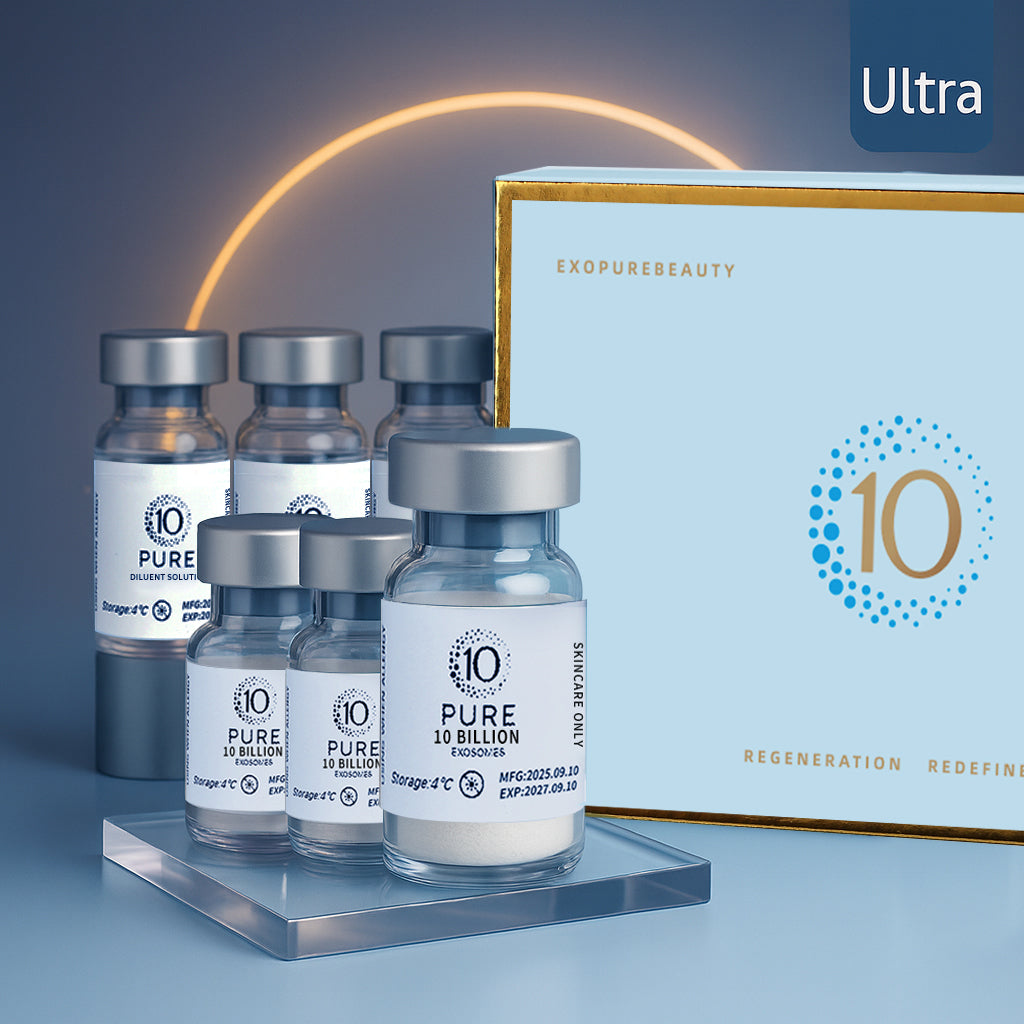
Our EXO Lyospheres™ system delivers lyophilized exosomes mixed with a dedicated activator for topical use. The serum is applied externally to support skin appearance and barrier function; it does not require puncturing the skin. For those seeking professional procedures, consult a licensed provider who can integrate topical exosome serums into treatment protocols. Always avoid injecting exosomes or using them as medical treatments—regulatory bodies classify exosomes as biologic drugs and have not approved them for therapeutic use (The real science of exosomes—the latest obsession in skincare).
Read more
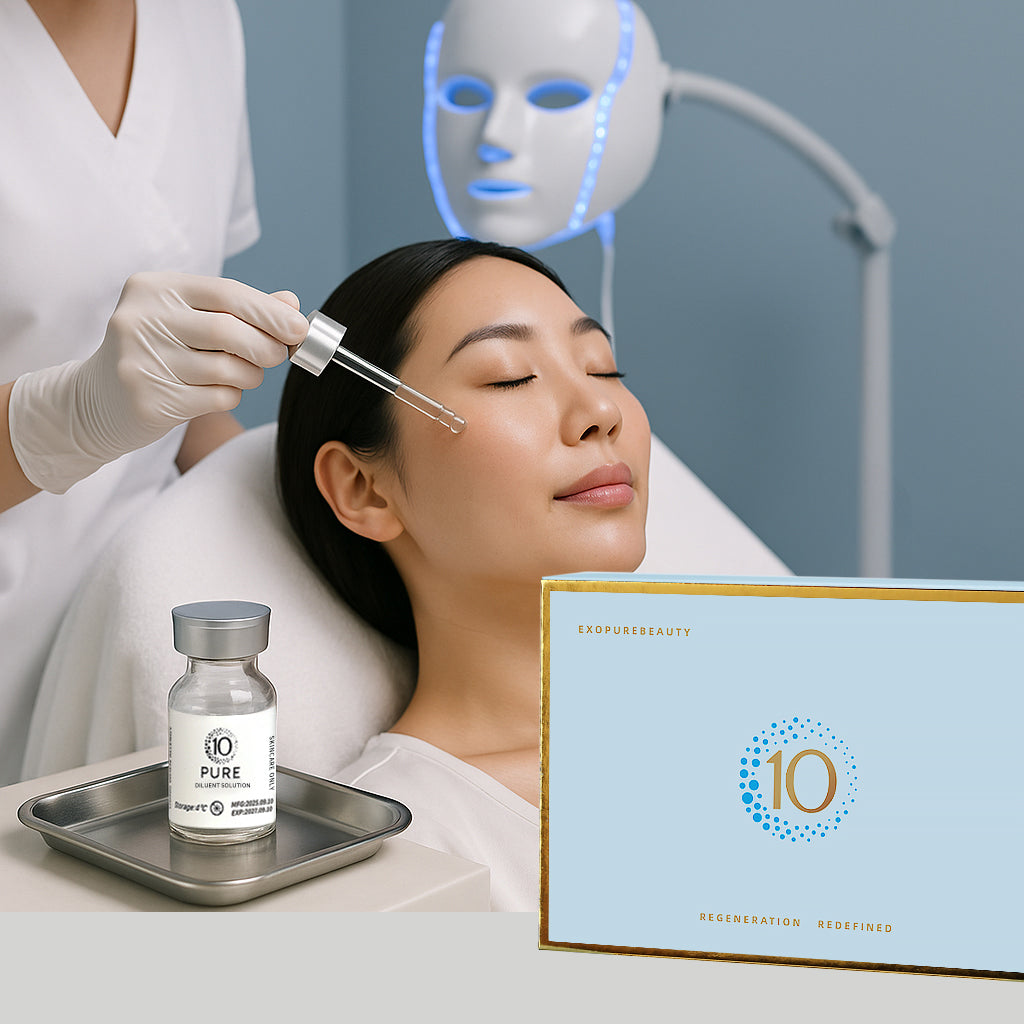
When science meets beauty, your skin isn’t just cared for—it’s redefined.
In 2013, the Nobel Prize in Physiology or Medicine established the cellular “vesicle trafficking” mechanism—essentially the instruction manual for how cells package and deliver signals. That insigh...