



Exosomes Are Redefining Anti-Aging: A New Era Beyond Traditional Skincare
Why Exosomes Are Becoming the Next Big Thing in Anti-Aging
Anti-aging has always been one of the most enduring topics in skincare. From retinol to peptides, from hyaluronic acid to niacinamide, every generation of ingredients has shaped the way we define youthful skin.
But most traditional anti-aging ingredients share the same limitation: they mainly work on the surface or in the upper layers of the skin, without truly addressing the deeper cause of aging—declining cellular function.
That is exactly where exosomes begin to change the conversation.
The Limitations of Traditional Anti-Aging Ingredients
Before understanding why exosomes matter, it helps to look at how conventional anti-aging ingredients work—and where they fall short.
Retinol
How it works:
Retinol helps accelerate skin turnover and supports collagen production.
Limitations:
It can be irritating, requires a tolerance-building period, increases photosensitivity, and is generally not recommended during pregnancy.
Peptides
How they work:
Signal peptides support collagen-related activity, while carrier peptides help deliver trace elements such as copper.
Limitations:
Their larger molecular size may limit penetration, they often require long-term use to show results, and many work through relatively narrow pathways.
Hyaluronic Acid
How it works:
Hyaluronic acid attracts and retains water, helping skin look plumper and more hydrated.
Limitations:
Its effect is primarily physical rather than biologically regenerative. Results are often temporary, and it does not fundamentally improve skin quality on its own.
Exosomes: A Cellular-Level Shift in Anti-Aging
Unlike traditional ingredients, exosomes are valued because they are connected to skin communication at the cellular level. That makes them especially exciting in modern anti-aging skincare.
Here is why exosomes stand out:
Multi-Pathway Support
Exosomes carry a wide range of bioactive signals, which means they are associated with multiple skin-supportive pathways at once—including those related to collagen support, oxidative stress response, and skin balance.
Nano-Scale Compatibility
Because exosomes are extremely small, typically around 30–150 nanometers, they are often discussed for their ability to work in closer alignment with the skin’s biological environment.
Skin Renewal Support
Rather than simply improving the appearance of existing skin at the surface, exosome technology is often valued for supporting the skin’s natural renewal environment.
Gentle and Skin-Compatible
Because exosomes are biologically derived, they are often positioned as a gentler and more skin-compatible option compared with harsher anti-aging actives.
Long-Term Potential
What makes exosomes especially compelling is that they are not only associated with short-term cosmetic improvement, but with a more long-term, science-led approach to skin quality.
Exopurebeauty: A New Standard in Exosome Anti-Aging
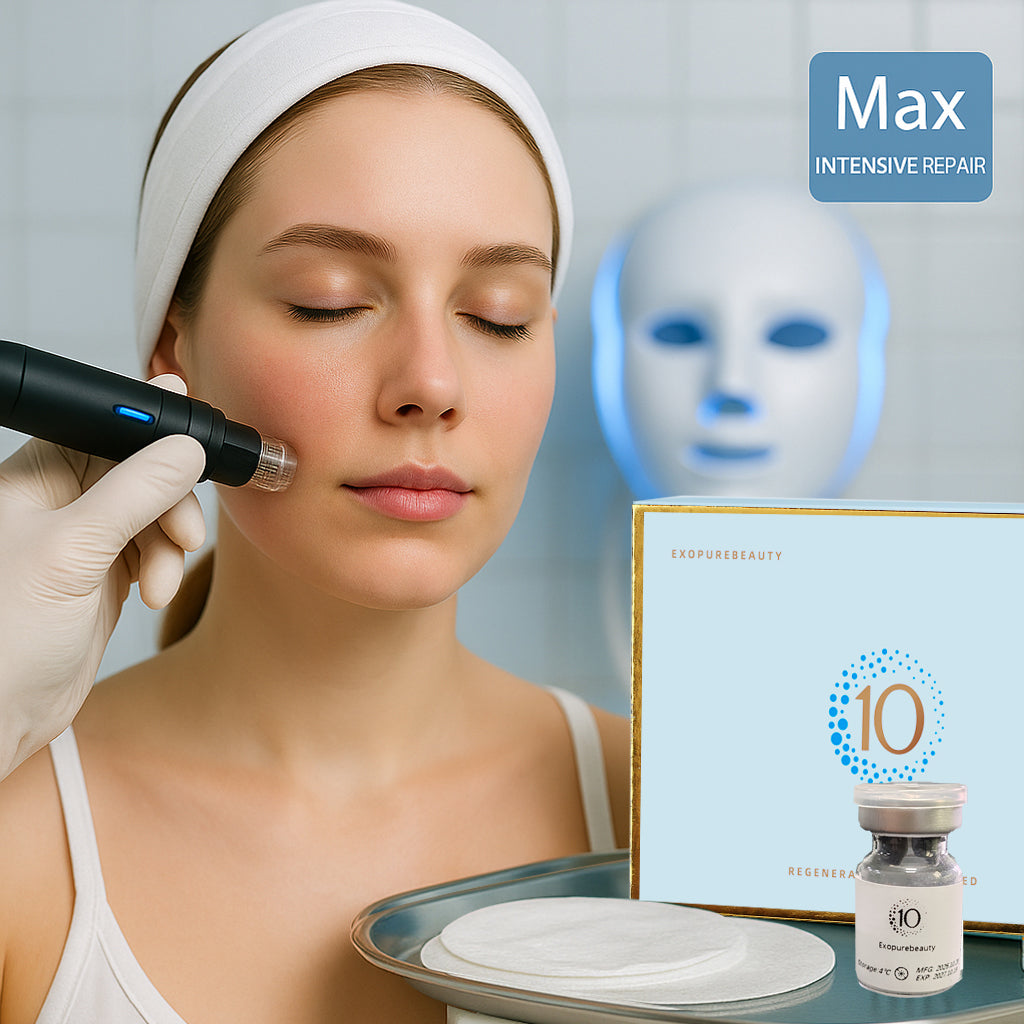
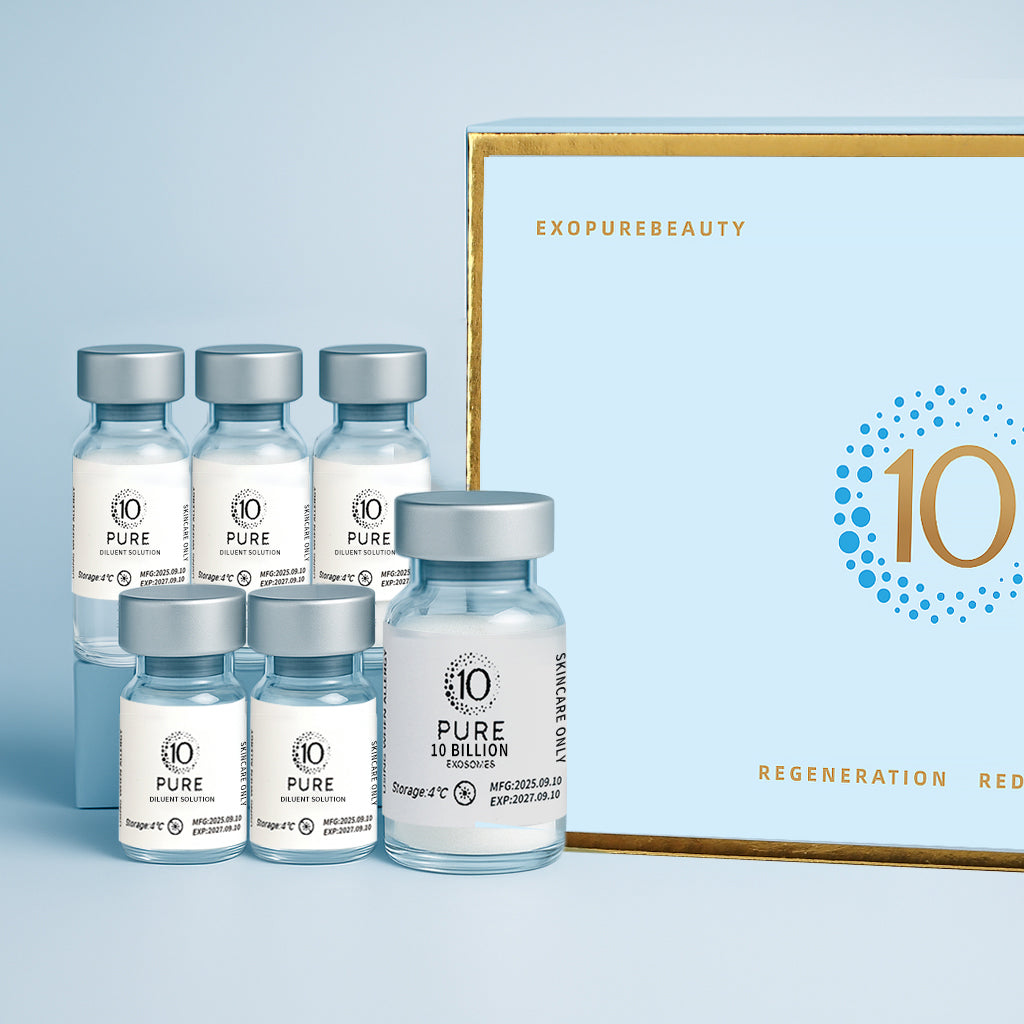
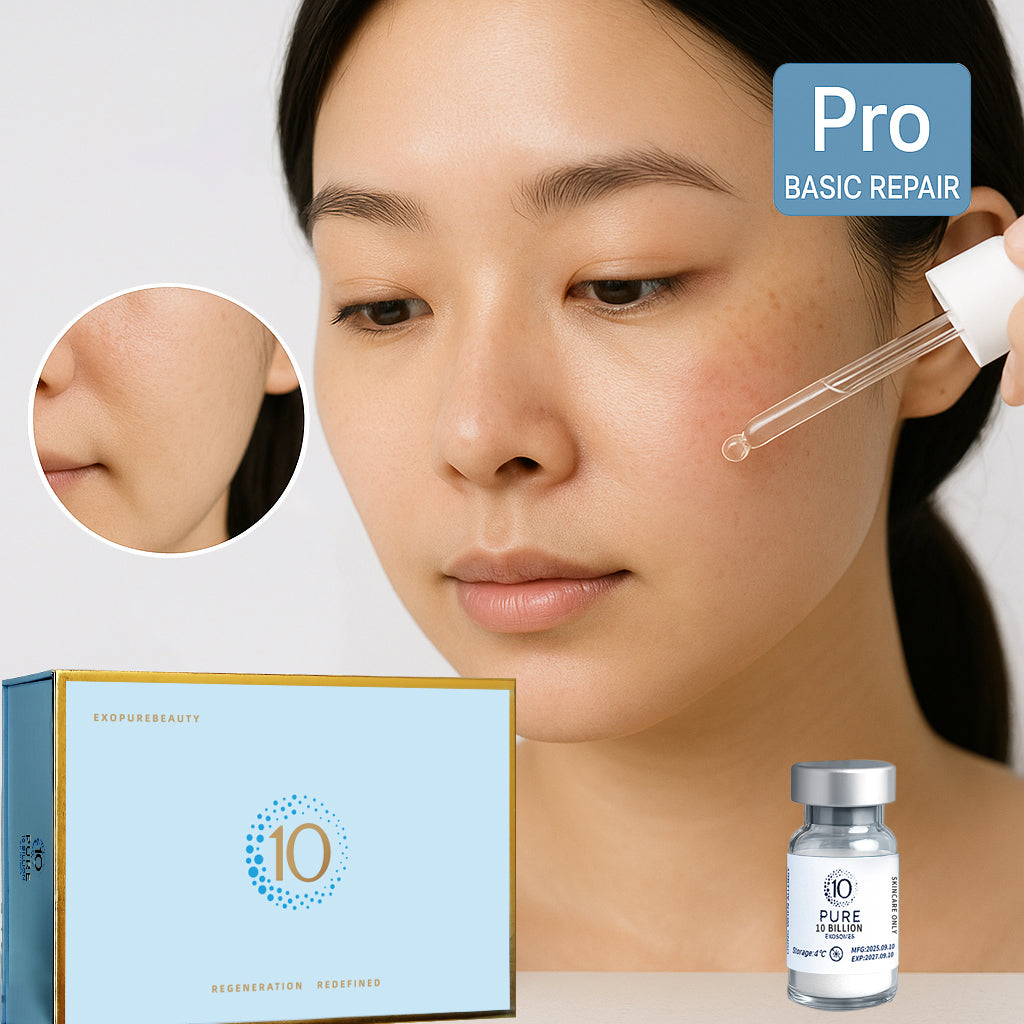
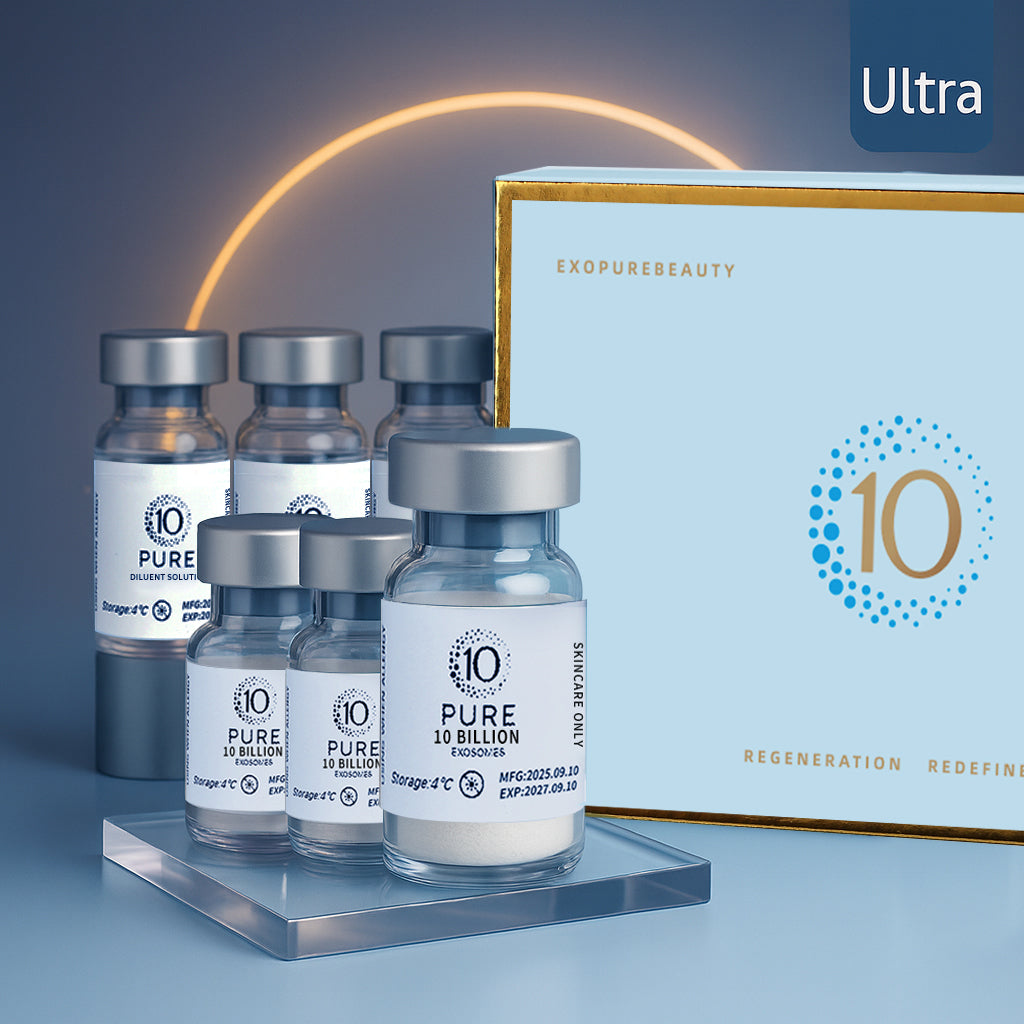
In the anti-aging space, Exopurebeauty stands out by focusing on exosome technology as a more advanced skincare solution.
The appeal of Exopurebeauty lies in the way it positions exosomes not as a trend ingredient, but as the foundation of a more intelligent repair-focused routine.
Its anti-aging approach is designed to support:
-
The appearance of fine lines and skin texture
-
Skin firmness and elasticity
-
A smoother, denser-looking complexion
-
A more even, radiant skin tone
-
Long-term skin quality support
Exopurebeauty is also positioned for a wide range of skin stages and concerns.
For Early Preventive Care (Ages 25–35)
For those beginning to notice the first signs of aging, exosome skincare can become part of a preventive routine focused on maintaining skin quality and delaying visible decline.
For Emerging Signs of Aging (Ages 35–45)
For skin showing fine lines, reduced bounce, and early loss of firmness, exosome-based care offers a more advanced way to support smoother, more resilient-looking skin.
For Mature Skin (45+)
For mature skin, exosome skincare is especially appealing as part of a deeper repair-focused strategy aimed at supporting structure, density, and visible vitality.
Exosomes vs. Traditional Ingredients: How Should You Choose?
Exosomes do not necessarily have to replace traditional ingredients entirely. Instead, they offer a more powerful option that can work as the center of a modern anti-aging routine.
A more complete skincare strategy might look like this:
Exosome Serum
Use as the core anti-aging step, morning and evening, to support skin renewal and long-term repair.
Hyaluronic Acid
Pair with exosomes to enhance hydration and help the skin feel plumper and more comfortable.
Vitamin C
Use in the morning as part of an antioxidant routine, working alongside exosome skincare to help defend against daily environmental stress.
Sunscreen
An essential daytime step to help protect the skin and maintain the visible benefits of a repair-focused skincare routine.
Final Thoughts
The true meaning of anti-aging is not to fight time, but to help skin stay vibrant as time moves forward.
Exosomes, as naturally inspired cellular messengers, are opening the door to a new era of science-led anti-aging—one that goes beyond surface correction and focuses on deeper skin support.
At Exopurebeauty, Nobel Prize-recognized exosome science becomes part of a modern skincare philosophy designed to redefine what anti-aging can look like.
Exopurebeauty is redefining anti-aging through advanced exosome technology.
Read more

Discover how exosome technology helps target dullness, uneven skin tone, and dark spots through a more advanced brightening and skin renewal approach.

Discover how freeze-dried exosome technology supports collagen renewal, skin repair, and cellular communication in a new era of advanced anti-aging skincare.