

Why Your Expensive Skincare May Not Be Working—And How Exosomes Change the Game
How Exosomes Are Breaking Through the Absorption Limits of Traditional Skincare Your skincare shelf is filled with high-end serums.
You apply them carefully every morning and night.
You stay consistent for months.
And then one day, you look in the mirror and think:
Why does my skin still look almost the same?
This does not necessarily mean you are doing anything wrong. And it does not automatically mean the products are fake, either.
The real issue may come down to a biological fact that most people overlook:
your skin barrier is naturally designed to keep things out.
The Skin Barrier: The Biggest Obstacle in Skincare
The skin is made up of three main layers: the epidermis, the dermis, and the subcutaneous layer.
At the very surface sits the stratum corneum, a tightly packed structure made of 15 to 20 layers of dead skin cells. It functions like a brick wall, forming a strong protective barrier between your body and the outside world.
That barrier exists for a reason. Its job is to protect you from bacteria, toxins, environmental stressors—and yes, even many of the skincare products you apply to your face.
Research and formulation logic have long shown that penetration is one of the biggest limitations in skincare.
Here is why that matters:
-
Ingredients with a molecular weight above 500 Daltons generally struggle to pass through the stratum corneum
-
Hyaluronic acid is known for hydration, but much of its action remains near the surface
-
Vitamin C can penetrate to a degree, but stability is a major challenge
-
Large collagen molecules are too big to enter the skin meaningfully and mainly function at the surface level
In other words, a large percentage of what you apply may stay near the outermost layer of the skin, never reaching the deeper environment where visible repair and structural support actually happen.
Exosomes: Nano-Scale Messengers That Move Beyond the Surface
Exosomes are different.
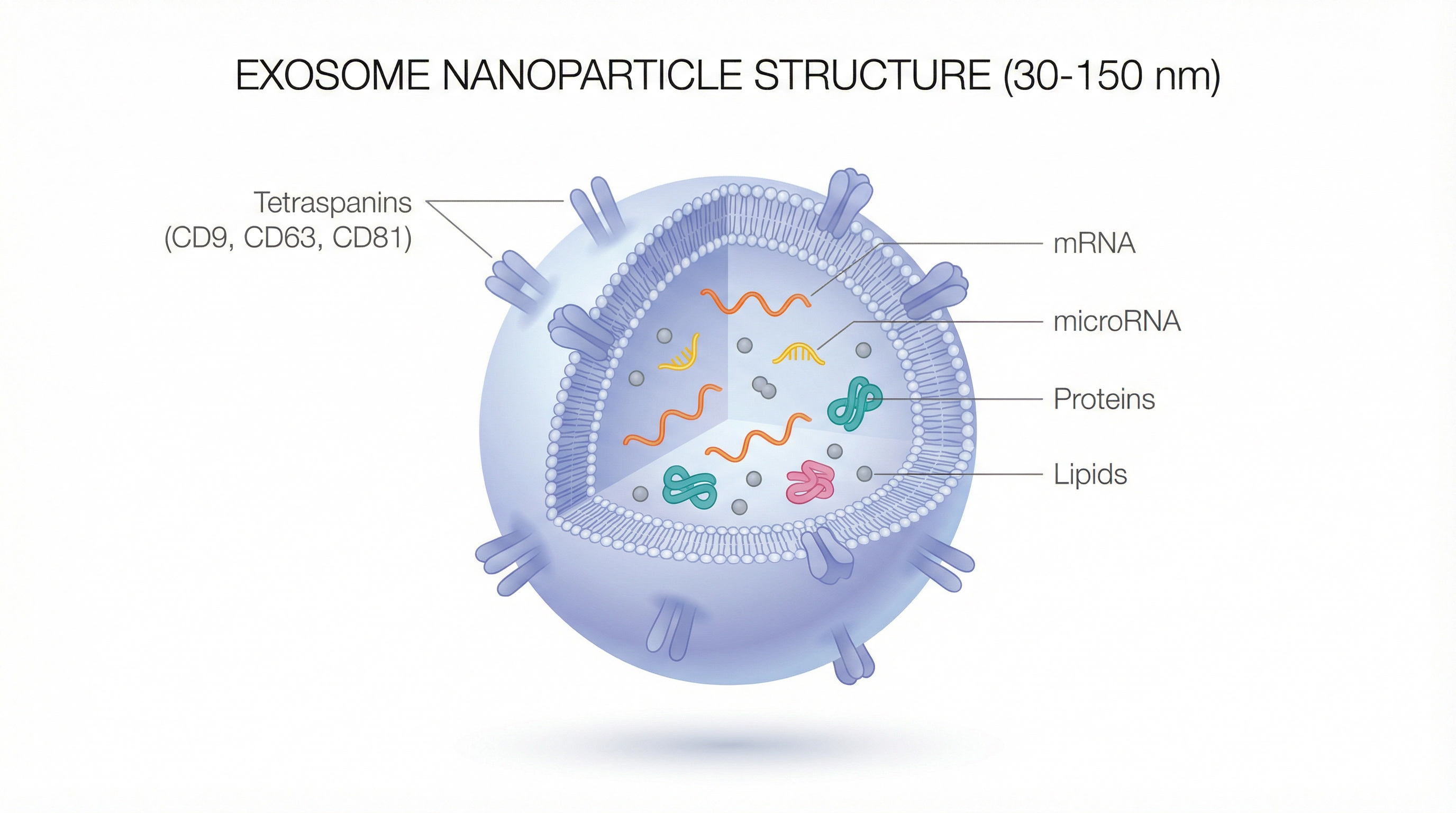
Typically measuring around 30 to 150 nanometers, exosomes are extremely small—small enough to stand apart from many conventional skincare ingredients when it comes to skin compatibility and delivery logic.
Even more importantly, exosomes are surrounded by a phospholipid bilayer, a structure that is highly similar to the membrane of human cells. This similarity is one of the reasons exosomes are so exciting in advanced skincare: they are associated with a more biologically aligned interaction with the skin.
Instead of simply sitting on the surface and hoping to diffuse downward, exosome technology is valued because it is connected to the skin’s own communication pathways.
Put simply:
traditional skincare often knocks on the door
exosomes are designed to speak the skin’s native language Penetration Depth Comparison: Why Delivery Matters
To understand why exosomes are so different, it helps to compare them with more traditional product formats.
Traditional Serums
Penetration depth: Mostly surface level
Primary effect: Hydration and short-term improvement in skin feel
Small-Molecule Actives
Penetration depth: Upper layers of the stratum corneum
Primary effect: Limited antioxidant or brightening support
Liposome-Encapsulated Ingredients
Penetration depth: Mid-level surface penetration
Primary effect: Improved moisturization and mild soothing support
Exosomes
Penetration depth: Associated with deeper skin-supportive communication
Primary effect: Supporting skin renewal, collagen-related pathways, and a more advanced repair-focused routine
What makes exosomes so compelling is not just that they are small.
It is that they combine nano-scale size with biologically compatible structure and signaling relevance.
That is what gives them such a unique position in modern skincare science.
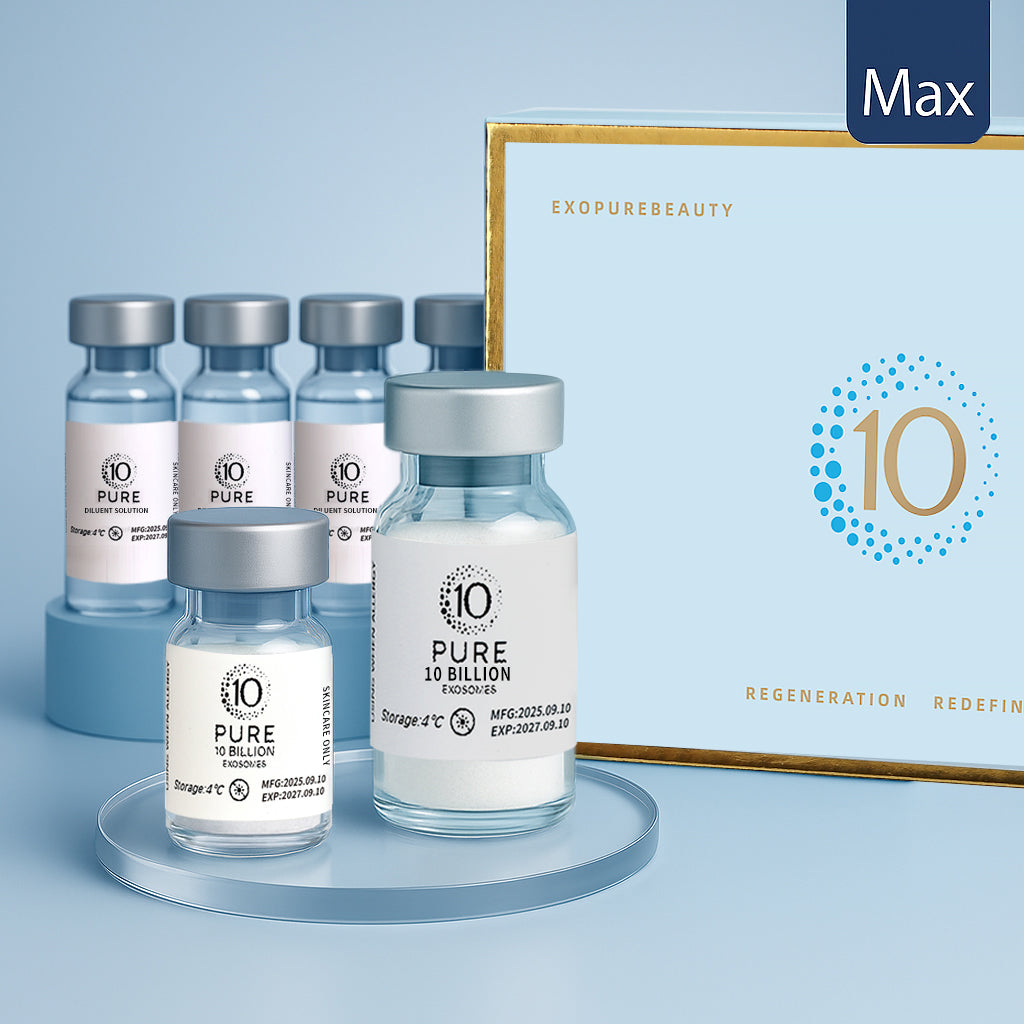
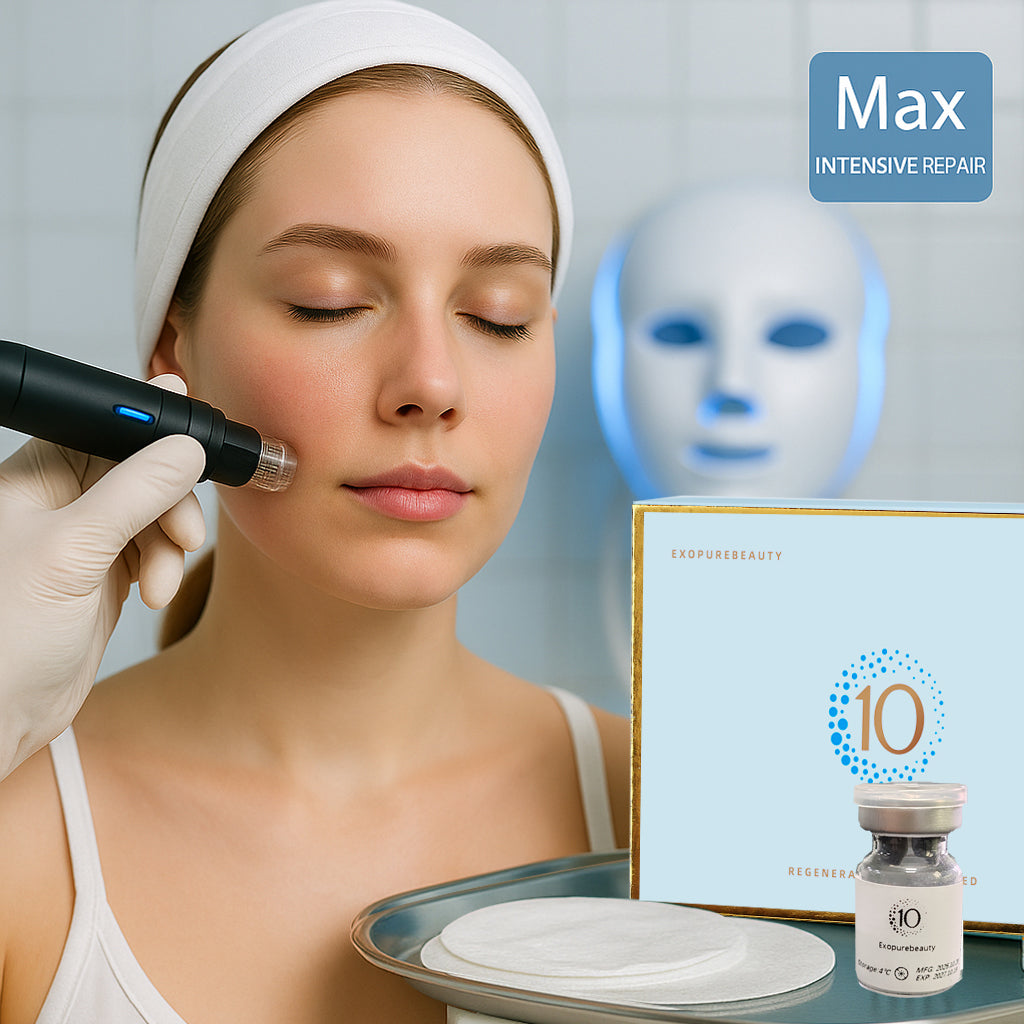
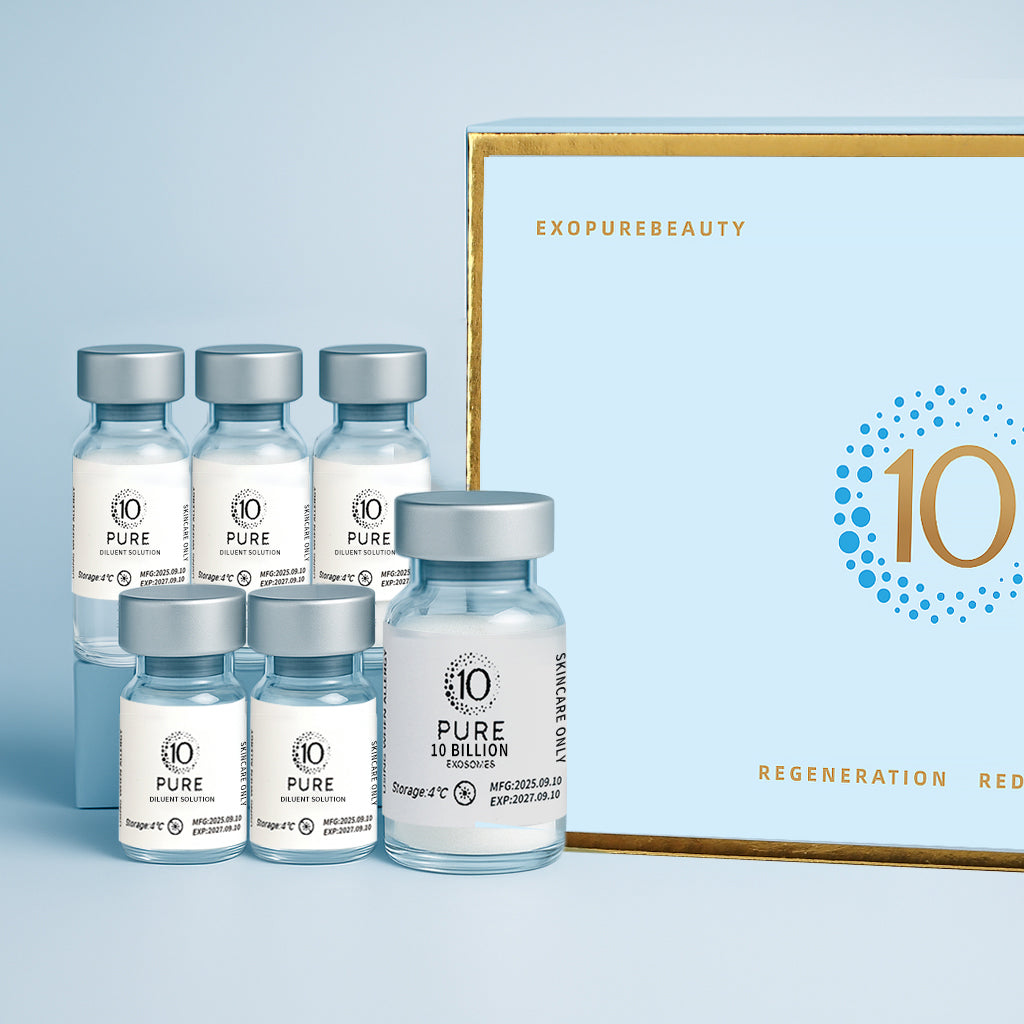
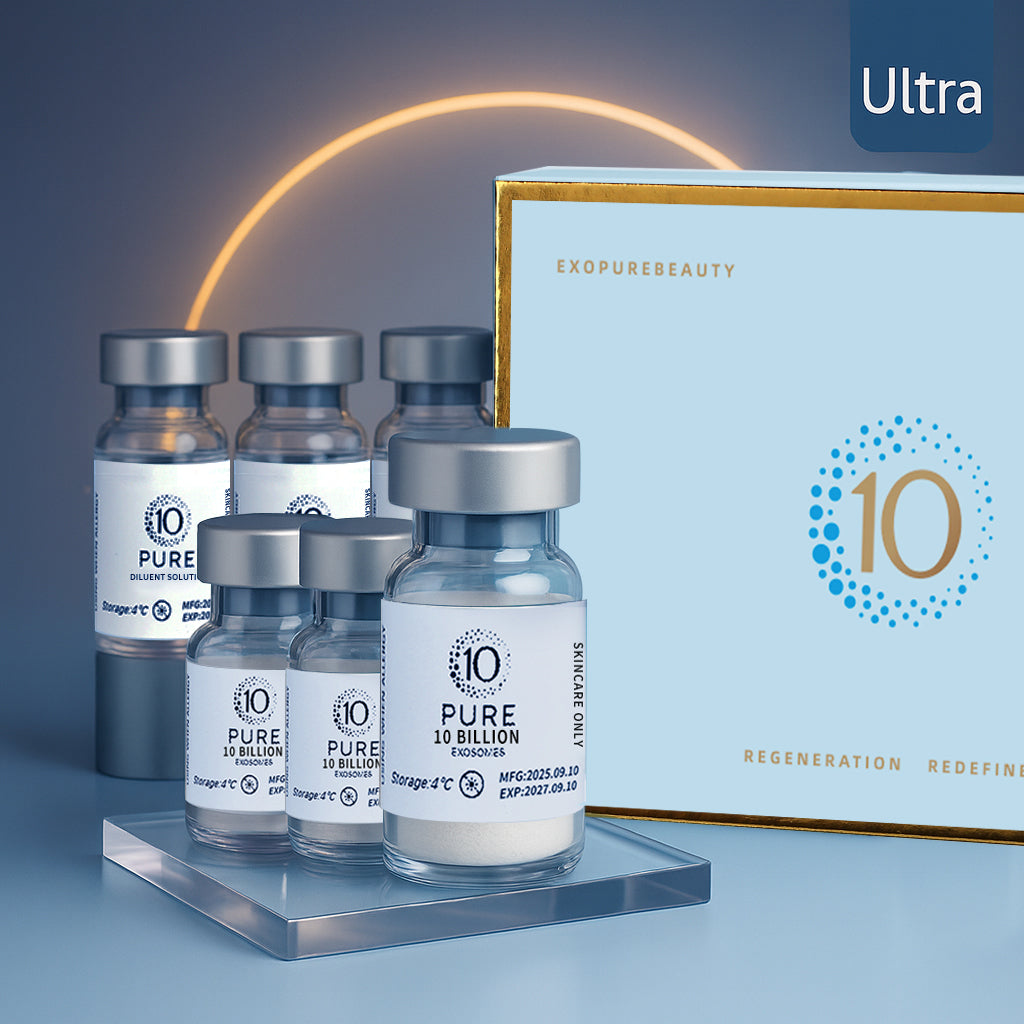
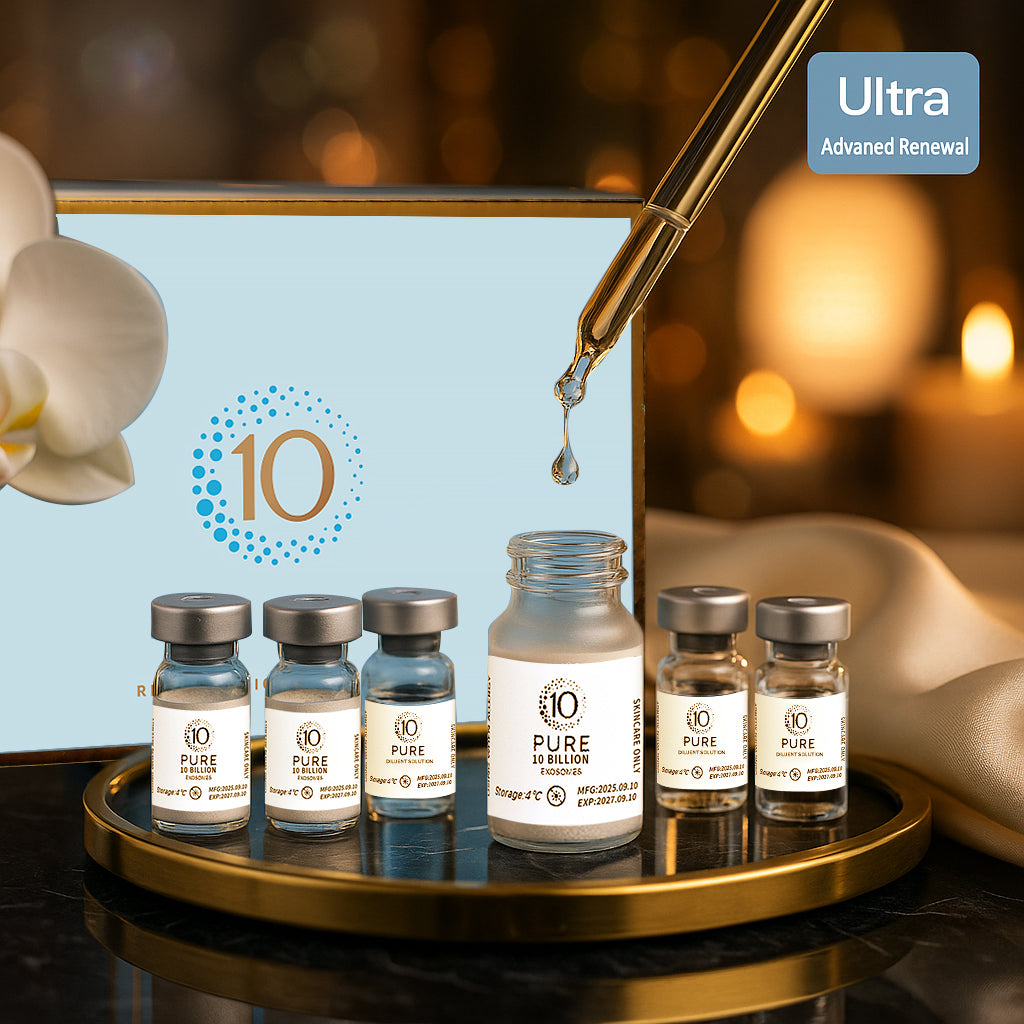
Exopurebeauty: Making Every Drop Go Further
At Exopurebeauty, exosome technology is designed with one goal in mind:
to help every drop do more than sit on the surface.
The formulation approach is focused on optimizing how exosomes are preserved, delivered, and supported within the skincare experience.
Key formulation highlights include:
-
A tightly controlled nano-scale size range designed for better skin compatibility
-
A refined delivery concept that supports interaction with the skin environment
-
Stabilizing technology to help protect activity during delivery
-
High-standard preservation designed to maintain freshness and performance
This is what allows Exopurebeauty to position exosome serum not just as another luxury formula, but as a more intelligent step in a repair-focused skincare routine.
A Real User Perspective
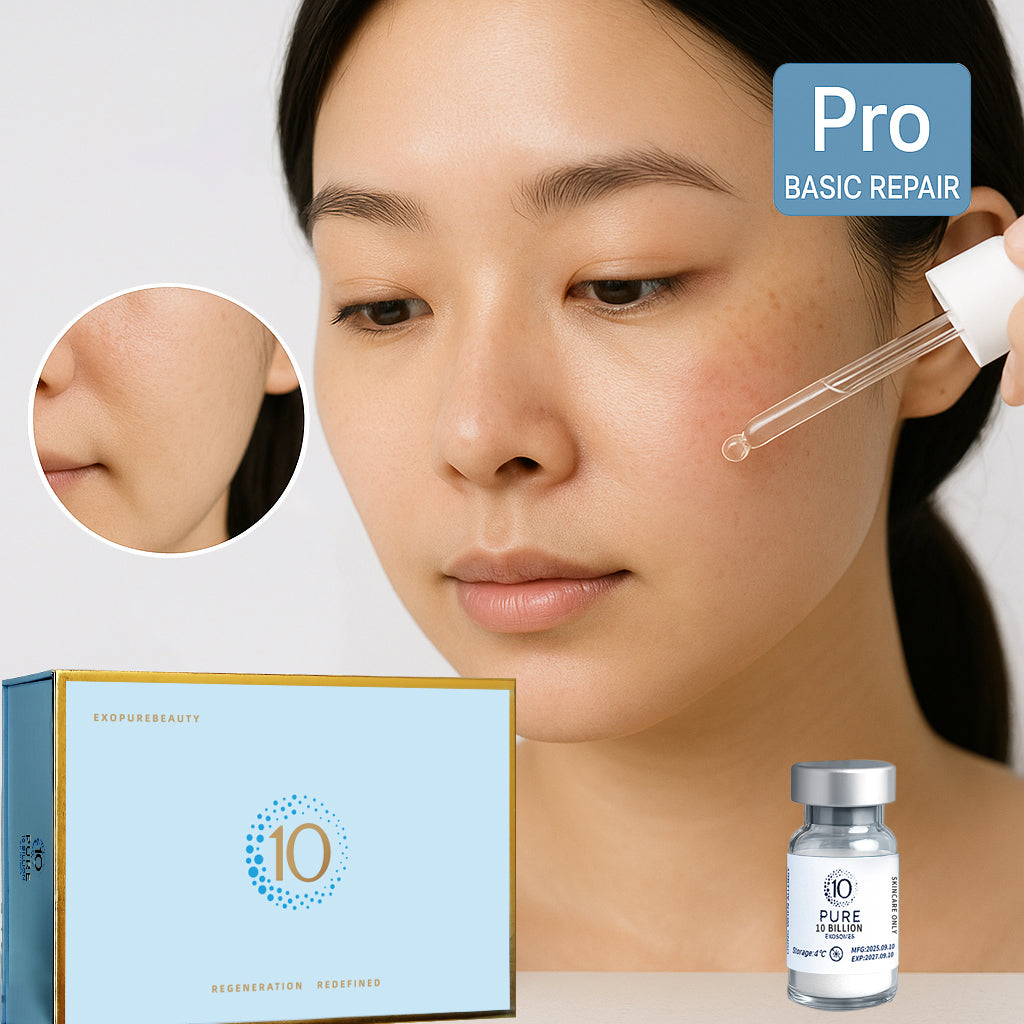
“I ran my own little skincare test. On the left side of my face, I kept using the prestige serum I had relied on for three years. On the right side, I switched to Exopurebeauty Exosome Serum for two months. The difference genuinely surprised me. The side using the exosome serum looked smoother, the fine lines looked softer, and even my pores seemed more refined. My coworkers actually asked if I had done a half-face treatment.”
— Ms. Chen, 38, finance professional
Final Thoughts
The essence of skincare is not surface-level application.
It is deeper skin support.
If your skincare never meaningfully moves beyond the surface, then even the most expensive formula may fall short of what you were hoping for.
That is why exosomes matter.
They represent a new direction in skincare—one that is more aligned with the skin’s own biology, more focused on delivery and communication, and more capable of supporting visible change where it actually matters.
Exopurebeauty Exosome Serum is designed to move beyond the absorption limits of traditional skincare—so your skincare can begin working where support is truly needed.
Read more

Let’s take a closer look at how these remarkable messengers—once described by Science as part of the secret language of cells—have become one of the most exciting breakthroughs in modern skincare.
Seasonal redness, stinging from skincare, and a barrier that feels weaker by the day—your skin may be going through a storm of low-grade inflammation.