
When Your Skin Starts Sending an SOS: How Exosomes Help Repair Sensitive Skin at the Source
Seasonal redness, stinging from skincare, and a barrier that feels weaker by the day—your skin may be going through a storm of low-grade inflammation.
Every spring and fall, social media fills up with posts from people saying the same thing: “My face is red again.” Many assume it is simply “an allergy,” but dermatologists often point to something else:
a compromised skin barrier.
The skin barrier is not just a thin protective film. It is a highly organized ecosystem made up of corneocytes, intercellular lipids, and natural moisturizing factors. When this system is functioning well, skin looks soft, smooth, and healthy. But when it is disrupted, even minor triggers—temperature changes, skincare ingredients, or emotional stress—can set off a chain reaction of inflammation.
That is why so many people with sensitive skin feel trapped in a frustrating cycle: the more they try to “hydrate,” the drier their skin feels; the more they try to “repair,” the more reactive it becomes.
1. The Limits of Traditional Barrier Repair: Why Have You Tried So Many Products and Still End Up with “Glass Skin” Sensitivity?
Most products marketed for sensitive skin repair tend to follow one of three common strategies:
Occlusive moisturization: These formulas coat the skin with oils or waxes to slow water loss. Common examples include petrolatum and mineral oil. They can provide fast relief, but they mainly seal rather than rebuild.
Replenishing repair: These products supply the skin with components such as ceramides and cholesterol. They can be helpful, but only if the skin still has enough metabolic function to incorporate and use them effectively.
Soothing ingredients: Ingredients like dipotassium glycyrrhizate and centella asiatica extract work by calming inflammation that is already happening. This is essentially a “putting out the fire” approach, rather than preventing the next one.
All three methods are working around the edges of the problem. But what truly determines the skin’s ability to heal itself is something deeper:
cellular signaling pathways.
Once communication between skin cells begins to fail, the skin loses much of its natural ability to repair itself. At that point, external products may help, but the results are often limited.
2. Exosomes: The Skin’s Cellular Courier System
In 2013, Randy Schekman, James Rothman, and Thomas Südhof were awarded the Nobel Prize in Physiology or Medicine for revealing how vesicle transport works inside cells. Their research helped the world understand something fundamental: cells do not function in isolation. They communicate by releasing and receiving nanoscale vesicles that carry information.
Among these vesicles, exosomes have become one of the most fascinating.
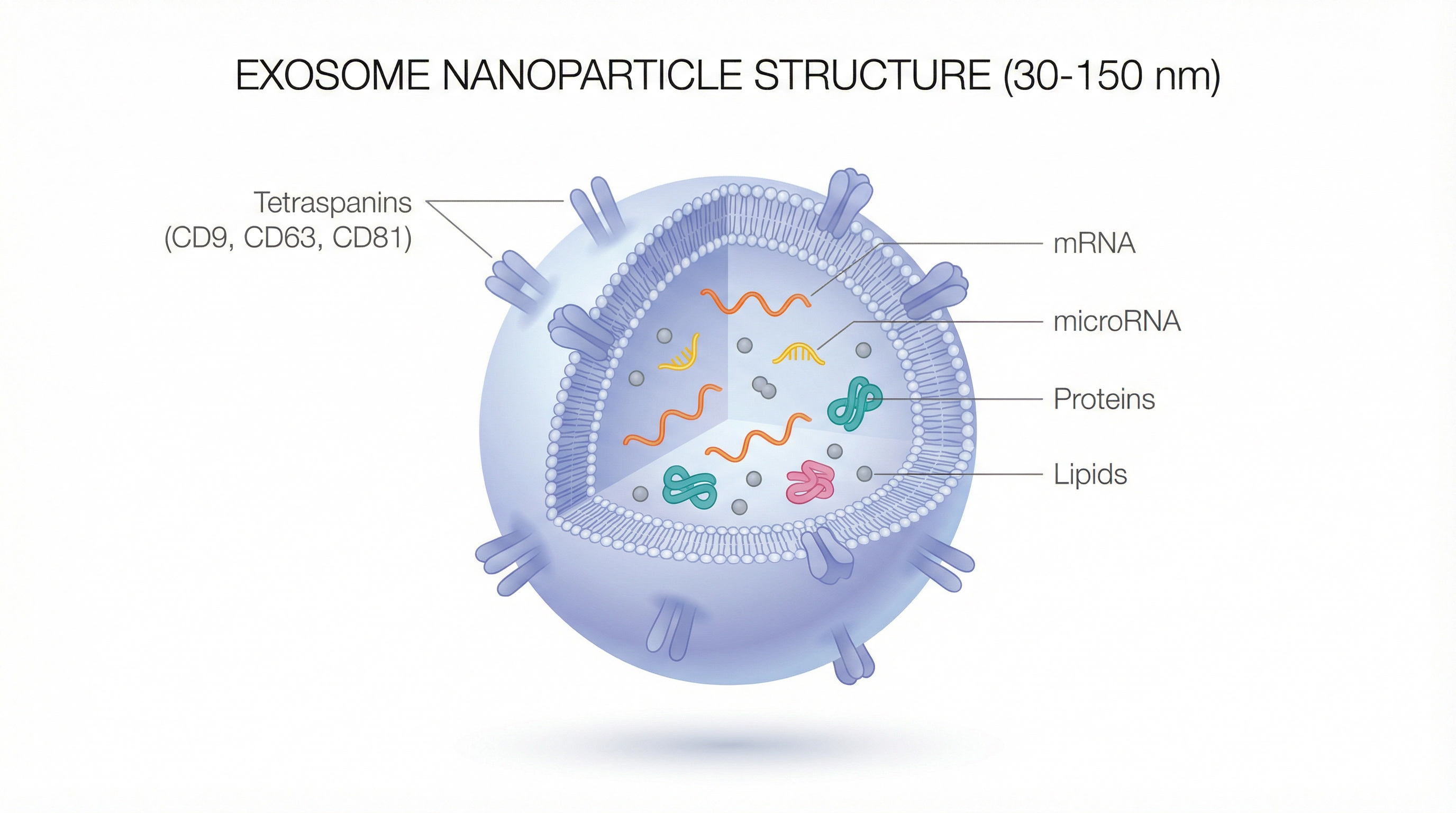
Measuring just 30 to 150 nanometers in diameter, exosomes carry proteins, lipids, messenger RNA, and other signaling molecules. They can be taken up directly by target cells, effectively delivering repair-related instructions from one cell to another.
What does this mean for sensitive skin?
They help activate the skin’s own repair mechanisms.
The biological signals carried by exosomes may help support the activity of fibroblasts and keratinocytes, encouraging skin to shift from passive defense to active rebuilding.
They help regulate the local inflammatory environment.
Sensitive skin is often tied to chronic low-grade inflammation. Exosomes are increasingly studied for their role in supporting a more balanced skin environment and reducing visible reactivity over time.
They help support the synthesis of barrier-related proteins.
Healthy skin depends on structural components such as ceramides, filaggrin, and loricrin. Exosome technology is valued because it aligns with the skin’s own barrier-repair logic rather than simply coating the surface.
3. Why Freeze-Dried Exosomes Matter: The Key to Preserving Activity
One of the most important technical differences in exosome skincare comes down to this:
liquid preservation vs. freeze-dried preservation.
In liquid form, exosomes can lose activity over time, even under refrigerated conditions. That means bioactivity may decline during manufacturing, shipping, storage, and eventual use.
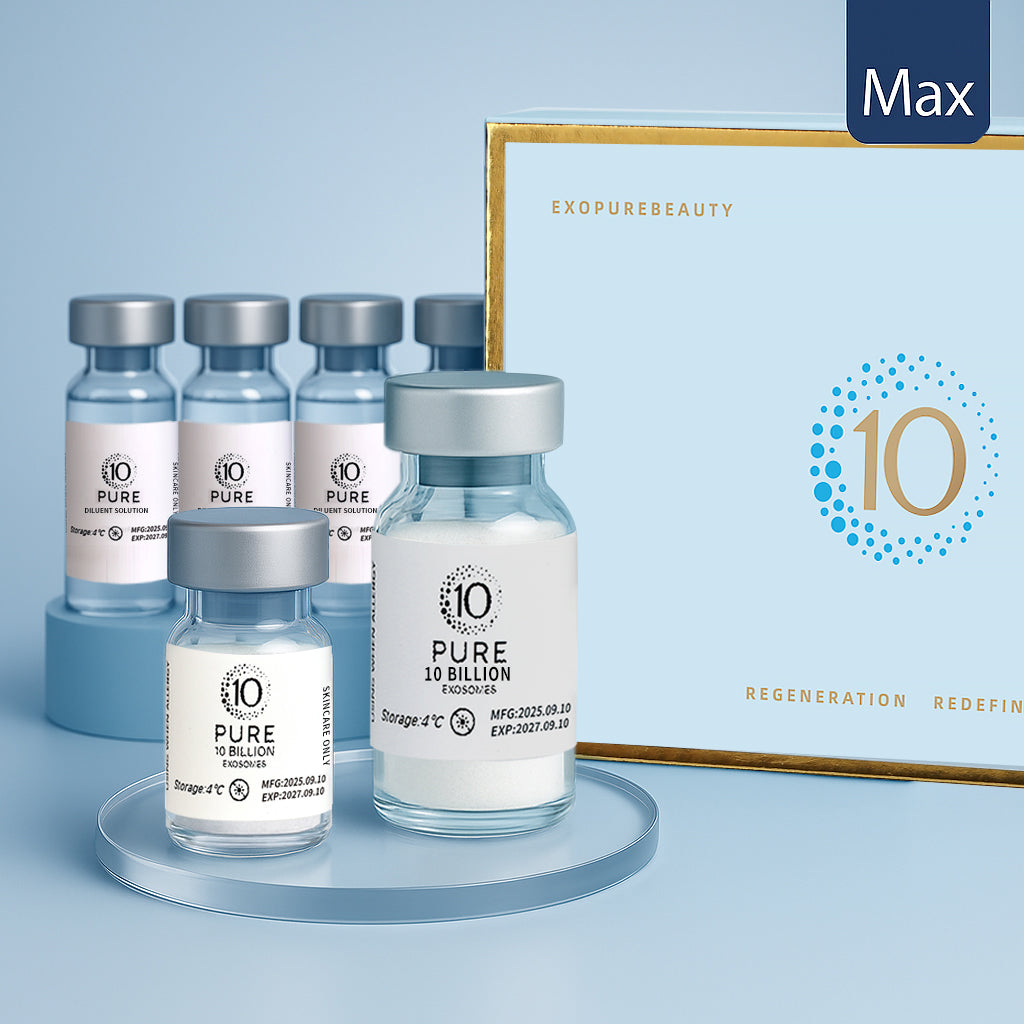
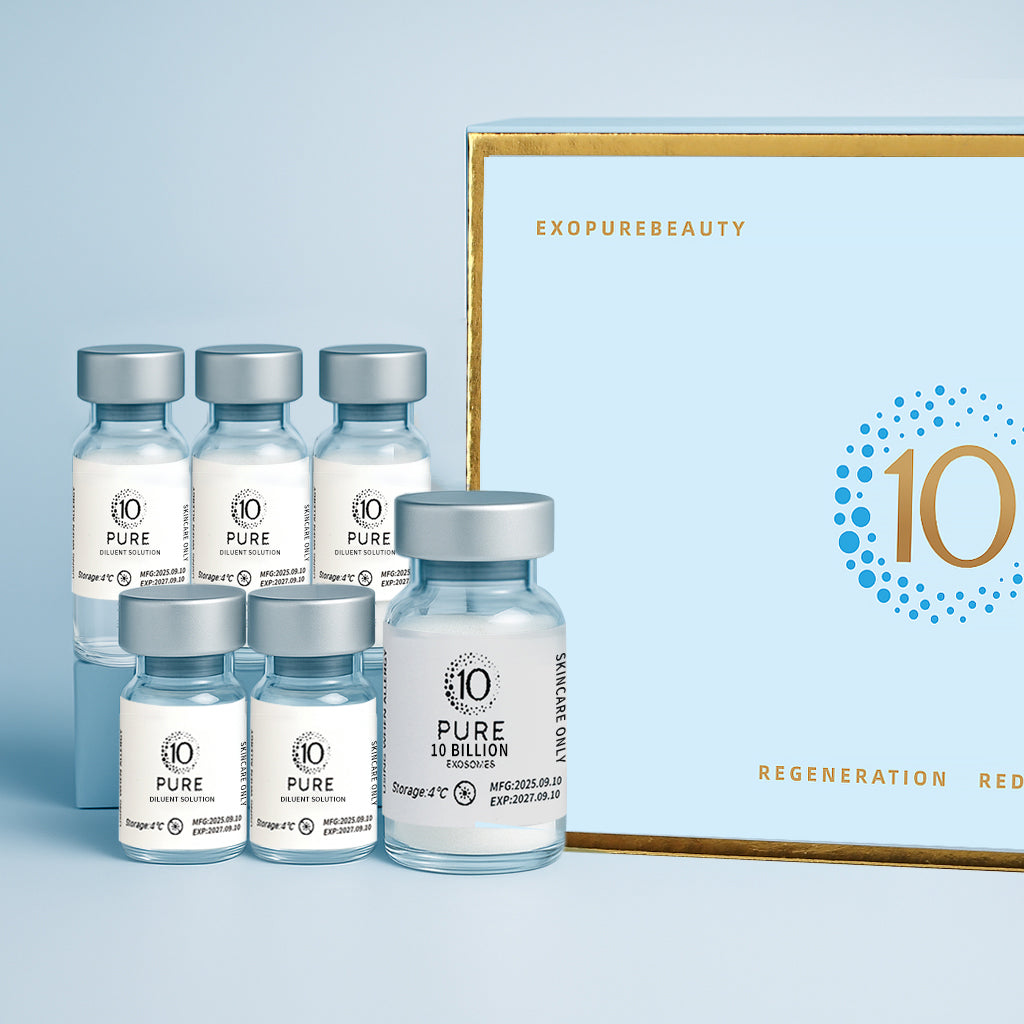
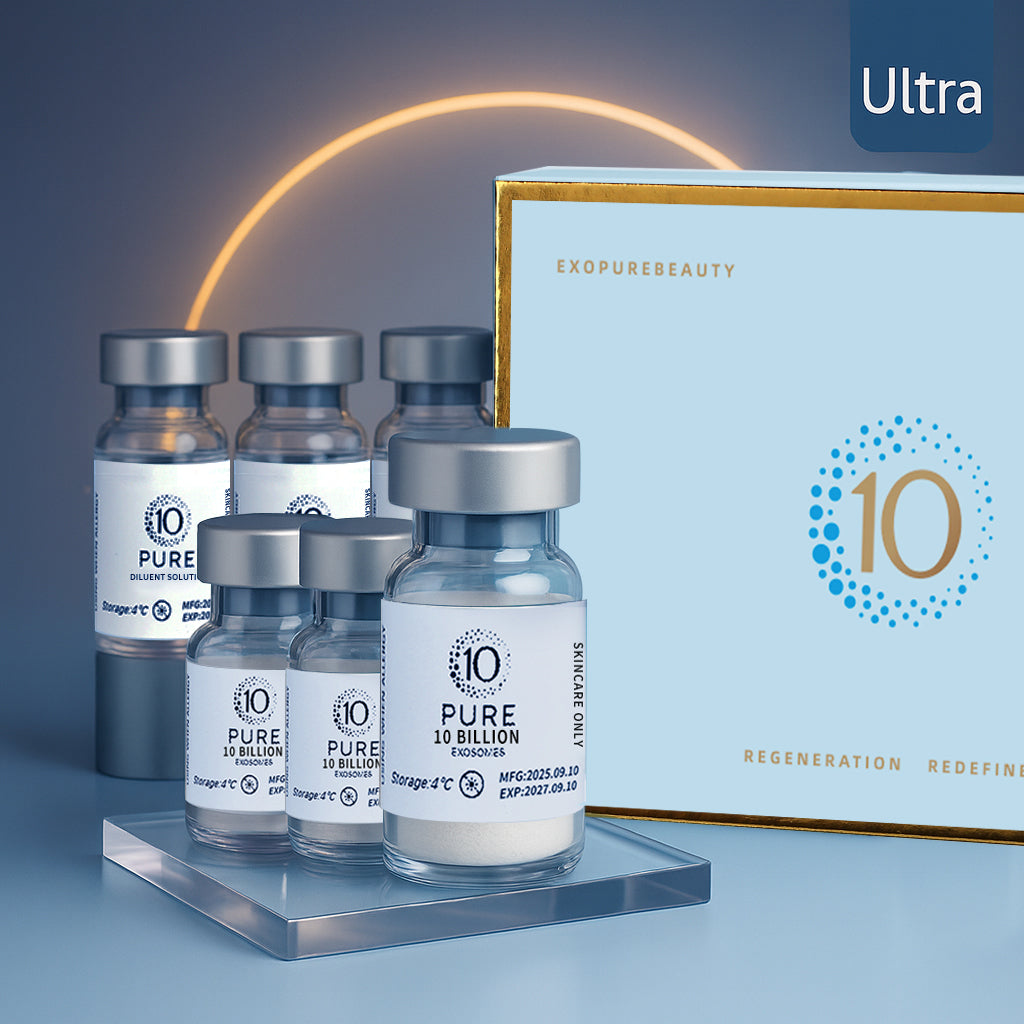
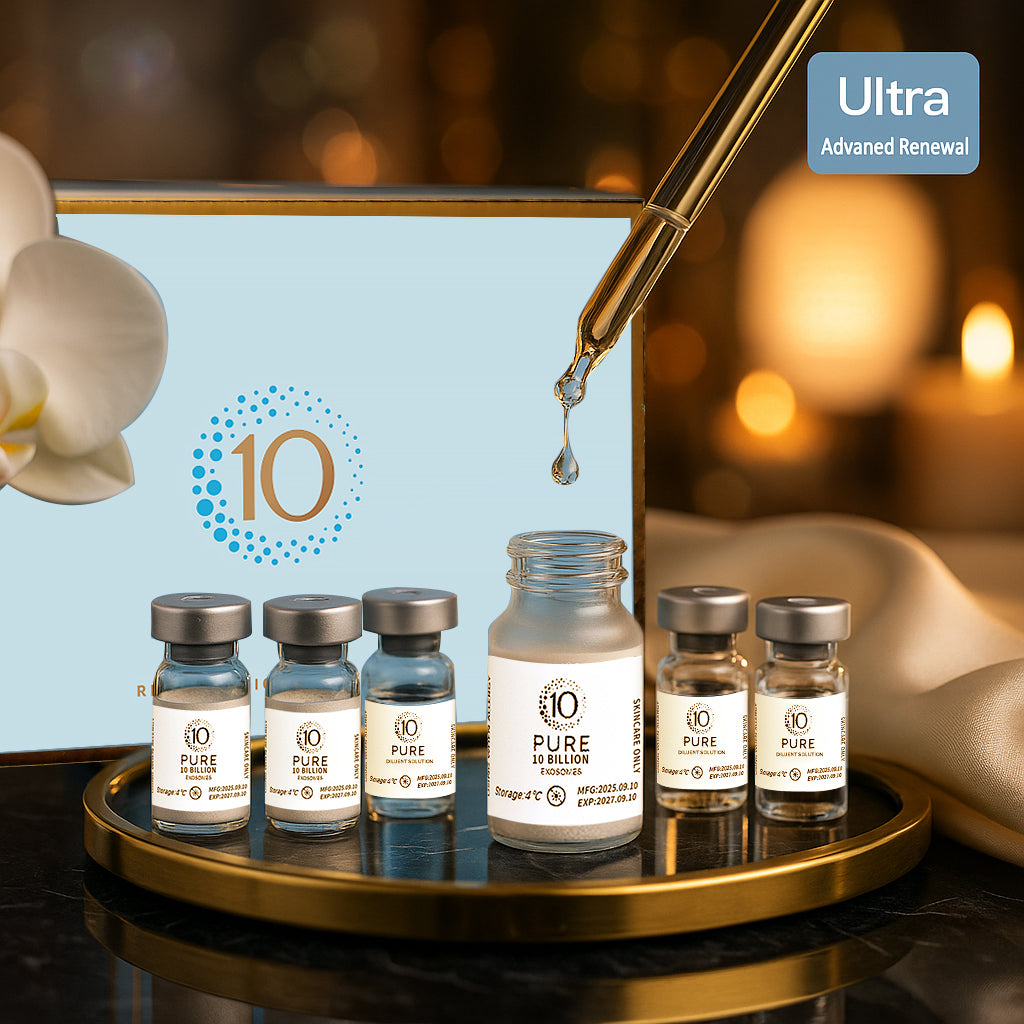
Exopurebeauty uses Lyophilized Exosome Technology, a freeze-drying process that transforms exosomes into a dry powder while helping preserve their structural integrity.
This matters for several reasons:
-
It greatly improves stability during storage
-
It helps preserve the integrity of the exosome membrane structure
-
It allows the formula to be activated closer to the moment of use, supporting a fresher and more active skincare experience
In simple terms, freeze-drying is not just a premium-sounding feature. It is one of the most important factors in whether exosome skincare can actually perform the way it is meant to.
4. How to Use Exosomes in a Sensitive Skin Routine
There are two recommended ways to incorporate exosome care into a sensitive skin routine, depending on the condition of your skin.
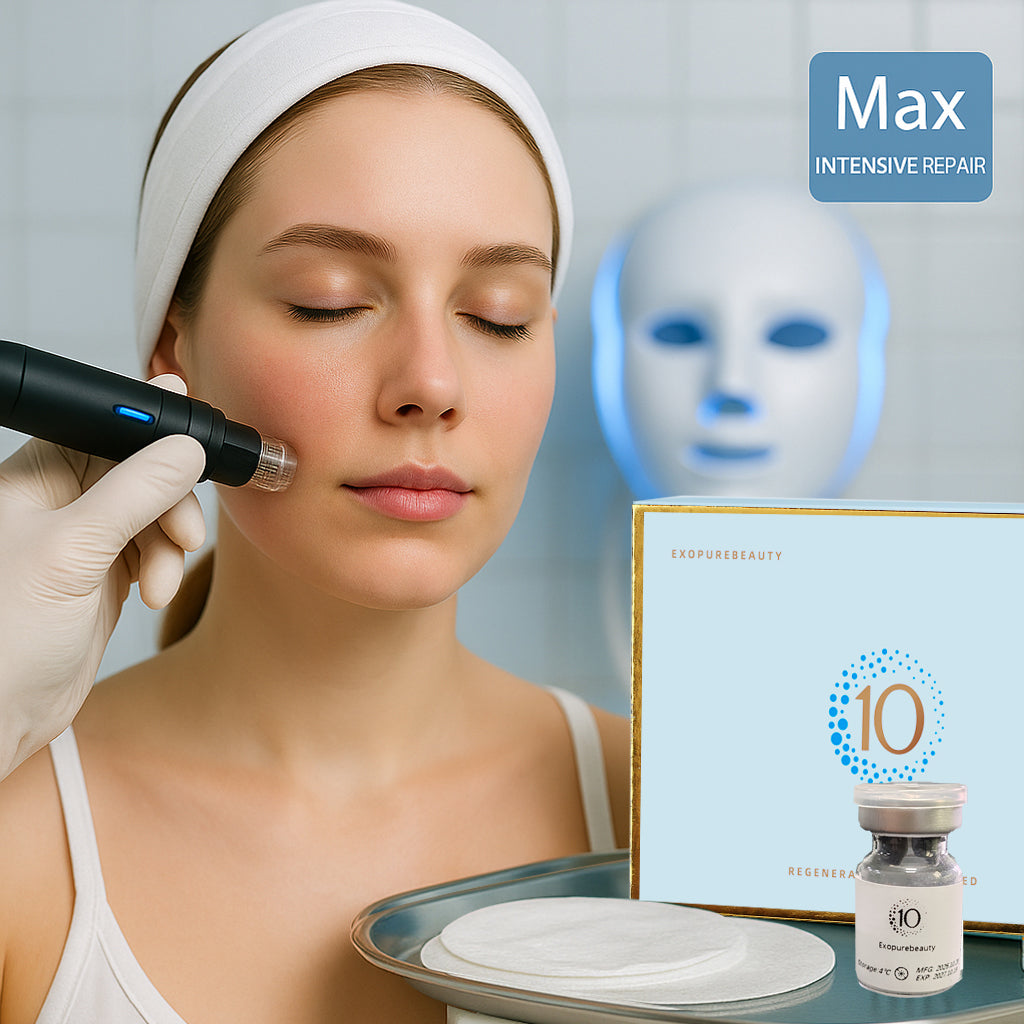
Option 1: Microneedling Delivery for Faster, Intensive Repair
For skin with more severe barrier damage or for those looking for a faster visible shift, microneedling—whether with a roller or an electronic device—can create microchannels that help deliver exosome formulas more deeply into the skin.
When paired with Exopurebeauty’s Exosome Cellular Renewal Serum, this approach may help place the skin into a more intensive repair mode after each session. It is especially appealing for people dealing with persistent sensitivity and a visibly weakened barrier.
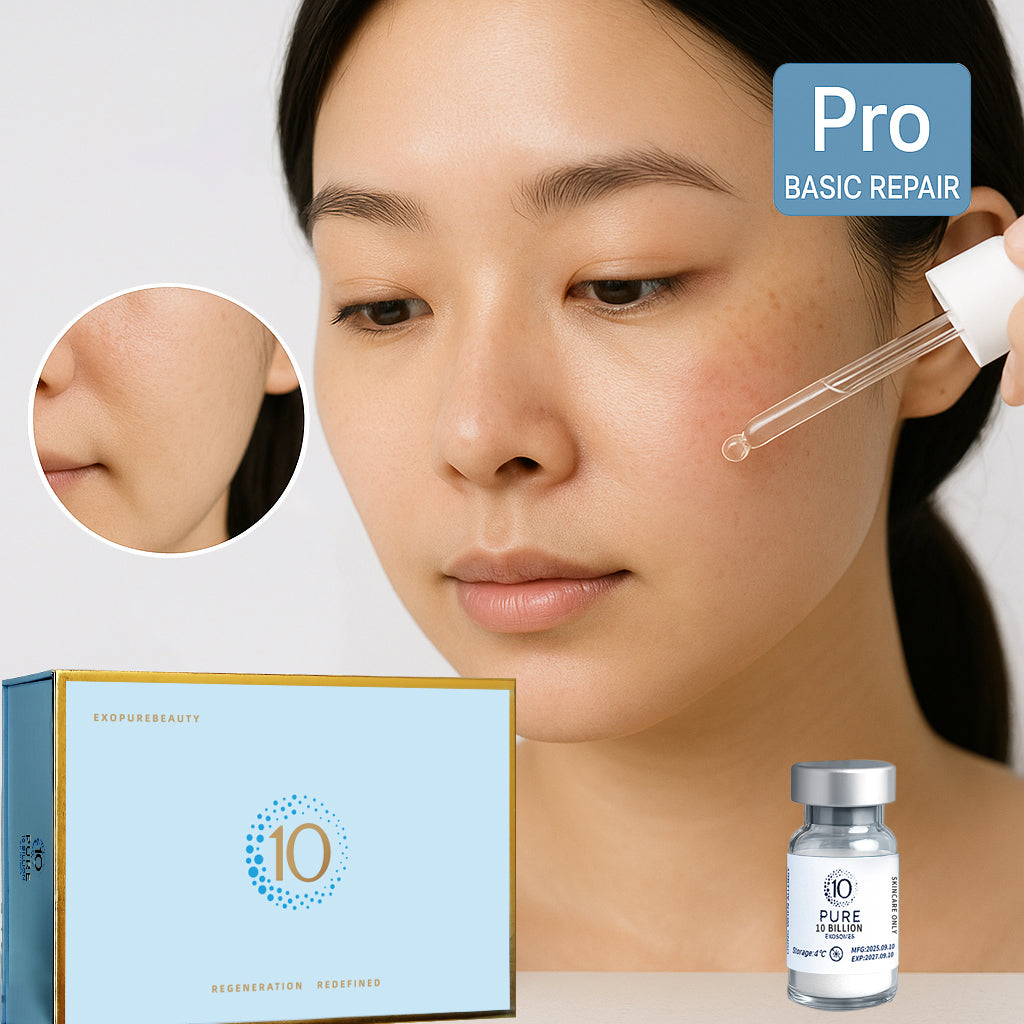
Option 2: Direct Daily Application for Gentle, Long-Term Support
For skin that is relatively stable and in need of ongoing maintenance, freeze-dried exosome serum can also be applied directly as part of a daily skincare routine.
Because exosomes are extremely small, they are valued for their compatibility with the skin’s surface environment and for their role in supporting long-term barrier care. With consistent use over time, this approach may help skin feel calmer, more hydrated, and less reactive.
5. One Important Truth for Sensitive Skin: Repair Is Not a Quick Fix
Barrier repair is a biological process measured in weeks, not days.
The full renewal cycle of the stratum corneum typically takes around 28 to 56 days, and this process often slows with age. That means barrier rebuilding depends on consistent support rather than occasional “emergency rescue.”
This is exactly where exosomes stand out.
Their greatest value is not that they do the skin’s job for it. It is that they help the skin regain the ability to do its own job again. Once communication between cells is better supported, the skin’s natural repair capacity can begin to recover in a more meaningful way.
That is the real goal for sensitive skin—not just temporary relief, but a stronger foundation.
If you are dealing with recurring sensitivity, a thinning barrier, and the feeling that nothing in your skincare routine works the way it used to, Exopurebeauty’s Max Advanced Repair Set may be the answer you have been looking for—not surface-level coverage, but support that begins at the cellular level.
Read more

Discover why many traditional skincare products struggle to penetrate the skin barrier, and how exosome technology offers a smarter, more advanced approach to skin repair and renewal.
Discover how exosome technology supports cellular communication, collagen renewal, and visibly smoother, firmer-looking skin in a new era of anti-aging skincare.